Showing posts with label 113_ayvmarticle. Show all posts

Friday, December 11, 2020

Vivaaha Samskaara – 3 (Groom’s Pilgrimage to Kaashi and Bride-Offering Rituals)


Kannada Article by: 
Tarodi Suresha

English Rendering by: Padmini Shrinivasan


As summarised in the preceding articles, the eligibility criterion for a marriage is an ability to raise a spiritually worthy child. If the groom is regarded as a representative of Lord Narayana, then the bride would be regarded as a representative of Goddess Lakshmi. If he is regarded as Lord Shiva, then she will be regarded as Goddess Paarvati. They represent the female-male (Prakruti-Purusha) elements at the root of Creation. Mythological stories of the likes of Shwetaketu-Suvarchala, add to our comprehension of these aspects. The commencing procedure of a Vivaaha (marriage) also reflects this.

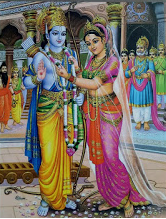
A pilgrimage to Kaashi termed 'Kaashi-yaatra' is a part of the marriage ritual. The Brahmachaari, adhering to the diktats which he learnt at his Guru's residence, sports a garland and proceeds in the northern direction towards the holy city of Kaashi, the abode of Lord Shiva- an embodiment of Supreme knowledge. He is young, yet mature in terms of spiritual knowledge. When such a great personality moves on cheering "Jai Shankar", the parents of the bride request him to amend it as "Jai Paarvati-Shankar", and take him to their house. The deckedup bride is married with chants of prayers conveying the message - "here is an equally spiritually-knowledgeable girl, who is capable of bearing and propagating, as it is, the divine light within you. Please accept her as your Patni (wife) and lead a fruitful householder's life as per the saying –Dhanyo Gruhastaashramah". The couple are blessed to have worthy progeny. We need noble citizens in a society/nation. This can happen only when a realised soul who dwells in the inner vision of the Supreme Truth, descends to mundane life importing the inner Dharma. Sriranga Mahaaguru used to say, if you were to ask - "tande yenu tande?"(in Kannada it means -'father what did u bring?' . There is a pun on the word tande), then the father should be in a position to answer "I brought that Supreme Knowledge (Jnaana)". Kaashi-yaatre ritual, while being an exciting event, brings home this philosophy too.

The groom assures the bride -"I will not transgress the cardinal principles of Dharma-Artha-Kaama (Dharme cha Arthe cha Kaame cha naati charaami)". In a conversation the groom says "Be my companion in all pursuits. Let us pull the life-chariot together".This is the advice of elders too. The mind-set required to realise the ultimate purpose of life viz. salvation (Moksha) is woven into the Vivaaha Samskaara. During the rite of offering the well-decorated bride as a gift to the groom (Kanyaa-daana), the priest requests the august members present "sulagnaah saavadhaanaah sumahoortaah saavadhaanaah...", which means - "on this auspicious occasion, while observing restraint over your sense organs, please bless the bride and the groom with happiness filling your minds". The sorry state of affairs in the present day marriages is a matter of regret. The goal of a marriage is rendered futile through noise, discussion on irrelevant topics, mundane thinking and the like by the guests. It is deplorable that the sacred hymns, auspicious instruments, propitious materials, courtesies extended to gods etc. which were brought into vogue at a time when the marriage ritual came into existence, are all forgotten today.

A wish for the salvation of ten past and future generations with a resolve to attain the permanent abode of the Almighty (Brahmaloka), exists in the backdrop of Kanyadaana. How adept the son-in-law must be to ferry all across! Worshipping such a noble soul as 'Achyuta' is an impressive scene to witness.

Note: The Kannada version of this article can be viewed at AYVM blogs.     

(to be continued)
Monday, November 30, 2020

Vivaaha Samskaara – 2 (Vivaaha to beget worthy progeny with Supreme Knowledge)

Kannada Article by: Tarodi Suresha

English Rendering by: Padmini Shrinivasan


We have acquainted ourselves with synonyms for the marriage ritual. It is called 'Paani-grahana' as both the bride and the groom, vow together while specially holding their hands –"let your heart be mine and my heart be yours".'Upayama' means the attainment of a divine orientation by the groom, who is morally bound and observes restraint, while accepting the bride. Animals do not possess any restraint and unite based on their sensual instincts. Even in humans if it is driven by an ego "get them married, they are of marriageable age", then it is as good as an animal's life. Jnaanis have identified additional qualities to be fulfilled. When such qualities are incorporated, the marriage proceeds as a purifying ritual (Samskaara). The groom, as a Brahmachari, graduates after completing his education (Vidyaabhyaasa) at the residence of his teacher (Gurukula). The Guru while instructing him not to cut the offspring chain, grants him permission to accept the life of a householder (Gruhasta). Akin to receiving sunlight from the sun, the disciple who has been blessed with spiritual knowledge from his Preceptor, enters into matrimony to get blessed with worthy progeny. Graduating as a Jnaani with the training imparted by his Guru, he qualifies to lead a life with an inner divine vision at its root (Jnaana-netra); then it is imperative that he gets married at the right age. Even in the saying "Vidyaam cha vittam cha vapurvayascha", age (Vayas) appears at the end implying that Vidyaa is more important than age. The spiritual training (Vidya) received by him is of that kind capable of elevating one into a salvation path (Vid jnaane + yaapraapane). It is not an M.A., Ph.D. kind of knowledge.

The conversation between the bride and the groom stands as a witness to this. The bride addresses the groom and says "I am visualising that you are a Jnaani through penance. I seek refuge in a Jnaani Satprusha (supremely pious person) like you". The groom with a divine reminiscence says "I am also visualising the Jnaana in you". A spectacular sight to witness! – bound by Dharma, the bride and groom with their Jnaana step into a wedlock, with a prayer to get blessed with Dharmasantaana (offspring capable of upholding and nurturing Dharma). As per the design of Rshis, all the relatives and guests who partake in the function, acquire Samskaara through thoughts steeped in the Supreme Lord (Parabrahman). Only thus, will life rise above the level of beasts and mature with the human's inherent ability, to lead an earthly- as well as heavenly-fulfilling life.

As per the saying "Jaamaata Vishnuvat poojyah", worshipping the son-in-law (as if he is Lord Vishnu) is a prevalent custom. If he has to be worshipped as a representative of Vishnu, what should be the son-in-law's worth? With passage of time, this saying has degenerated to take the form "Jaamaataa dashamo grahah". The position of the remaining nine planets can be precisely predicted, while the behaviour of this tenth planet known as son-in-law is beyond anybody's guess!  This is an experience familiar to most of us.This trend upholds an under valuation of the Maharshi culture.

Sriranga Mahaaguru had explained thus "the word Aliya (son-in-law in Kannada) means Aliyade iruvudu (eternal), it implies that he is Acchyuta (a name of Lord Vishnu meaning imperishable).

Note: The Kannada version of this article can be viewed at AYVM blogs.   


(To be continued)

Tuesday, June 25, 2019

ವಿವಾಹ ಸಂಸ್ಕಾರದಲ್ಲಿ ಕಾಶೀಯಾತ್ರೆ ಮತ್ತು ಕನ್ಯಾದಾನ (Vivaaha samskaradalli kaashiyaatre mattu kanyadaana)

ಲೇಖಕರು: ತಾರೋಡಿ ಸುರೇಶ


ಜ್ಞಾನಸಂತಾನವನ್ನು ಬೆಳೆಸಬಲ್ಲ ವಧೂವರರೇ ವಿವಾಹಕ್ಕೆ ಯೋಗ್ಯರು ಎಂಬುದನ್ನು ನೋಡಿದೆವು. ವರನು ನಾರಾಯಣ ಸ್ವರೂಪನಾದರೆ ವಧುವು ಲಕ್ಶ್ಮೀಸ್ವರೂಪಳು. ವರನು ಮಹೇಶ್ವರನಾದರೆ ಅವಳು ಪಾರ್ವತೀಸ್ವರೂಪಳು. ಅವರಿಬ್ಬರೂ ಸೃಷ್ಟಿಮೂಲದಲ್ಲಿ ಬೆಳಗುತ್ತಿರುವ ಪ್ರಕೃತಿಪುರುಷ ತತ್ವಗಳನ್ನು ಪ್ರತಿನಿಧಿಸುವವರು. ಆರ್ಷಸಾಹಿತ್ಯಗಳಲ್ಲಿ ಇದನ್ನು ಅರ್ಥಮಾಡಿಸಬಲ್ಲ ಶ್ವೇತಕೇತು-ಸುವರ್ಚಲಾ ಮುಂತಾದವರ ಕಥೆಗಳನ್ನೂ ನೋಡಬಹುದು. ವಿವಾಹ ಆರಂಭವಾಗುವ ರೀತಿಯೂ ಇದನ್ನೇ ಪ್ರತಿಬಿಂಬಿಸುತ್ತದೆ.

ವಿವಾಹದಲ್ಲಿ ಕಾಶೀಯಾತ್ರೆಯ ಪ್ರಕರಣವೊಂದು ಬರುತ್ತದೆ. ಬ್ರಹ್ಮಚಾರಿಯು ಗುರುಕುಲದಲ್ಲಿ ಬ್ರಹ್ಮಚರ್ಯದ ನಿಯಮಗಳನ್ನೆಲ್ಲಾ ಪೂರ್ಣವಾಗಿ ಪಾಲಿಸಿ ಮಾಲೆಯನ್ನು ಧರಿಸಿ, ಉತ್ತರದಿಕ್ಕಿನಲ್ಲಿರುವ, ಜ್ಞಾನಮೂರ್ತಿಯಾದ ಶಿವನ ಕ್ಷೇತ್ರವಾದ ಪವಿತ್ರವಾದ ಕಾಶಿಯತ್ತ ಪ್ರಯಾಣ ಬೆಳೆಸುತ್ತಾನೆ. ವಯಸ್ಸಿನಲ್ಲಿ ಚಿಕ್ಕವನು. ಆದರೆ ಜ್ಞಾನದಲ್ಲಿ ಅಧಿಕನು. ಅಂತಹ ಮಹಾಪುರುಷ ಜೈ ಶಂಕರ್ ಎಂದು ಹೋಗುತ್ತಿರುವಾಗ ಕನ್ಯಾಪಿತೃಗಳು ‘ಜೈ ಶಂಕರ್ ಬದಲು ಜೈ ಪಾರ್ವತೀಶಂಕರ್ ಆಗು’ ಎಂದು ಅವನನ್ನು ಪ್ರಾರ್ಥಿಸಿ ತಮ್ಮ ಮನೆಗೆ ಕರೆದೊಯ್ಯುತ್ತಾರೆ. ‘ನಿನ್ನೊಳಗೆ ಬೆಳಗುತ್ತಿರುವ ಜ್ಯೋತಿಯನ್ನು ಹಾಗೆಯೇ ಧರಿಸಿ ಬೆಳೆಸಬಲ್ಲ ಸುಕ್ಷಿತಳಾದ ಕನ್ಯೆಯೊಬ್ಬಳಿದ್ದಾಳೆ. ಅವಳನ್ನು ಸ್ವೀಕರಿಸಿ ಧನ್ಯೋ ಗೃಹಸ್ಥಾಶ್ರಮಃ ಎನ್ನುವುದನ್ನು ಸಾರ್ಥಕಪಡಿಸಿ’ ಎಂದು ಪೂಜಾದಿಗಳನ್ನು ಮಾಡಿ ಸಾಲಂಕೃತ ಕನ್ಯೆಯನ್ನು ವಿವಾಹ ಮಾಡಿಕೊಡುತ್ತಾರೆ. ಧರ್ಮಸಂತಾನವನ್ನು ಪಡೆಯಿರಿ ಎಂದು ಆಶೀರ್ವದಿಸುತ್ತಾರೆ. ಲೋಕದಲ್ಲಿ ಸತ್ಪ್ರಜೆ ಬೇಕು. ಅದಕ್ಕೆ ಜ್ಞಾನಿಯಾದವನು ಪರಮಾತ್ಮನಲ್ಲಿಯೇ ವಿಹರಿಸುವುದರ ಜೊತೆಗೆ ಪ್ರಕೃತಿಕ್ಷೇತ್ರದಲ್ಲಿಯೂ ಇಳಿದುಬಂದು ತನ್ನ ಧರ್ಮವನ್ನು ಬೆಳೆಸಬೇಕು. “ತಂದೆ ಏನು ತಂದೆ? ಎಂದರೆ ಜ್ಞಾನವನ್ನು ತಂದೆ” ಎಂದು ಹೇಳುವ ಪಿತನಾಗಬೇಕಪ್ಪಾ” ಎಂದು ಶ್ರೀರಂಗಮಹಾಗುರುಗಳು ನುಡಿಯುತ್ತಿದ್ದರು. ಈ ತತ್ವವನ್ನು ತಿಳಿಯಪಡಿಸಲು ಕಾಶೀಯಾತ್ರೆಯ ಒಂದು ತಾತ್ವಿಕವಾದ  ಮತ್ತು ರಸಮಯವಾದ ಸನ್ನಿವೇಶ.

“ಧರ್ಮೇಚ ಅರ್ಥೇಚ ಕಾಮೇಚ ನಾತಿ ಚರಾಮಿ” ಧರ್ಮಾರ್ಥಕಾಮಗಳಲ್ಲಿ ಈಕೆಯನ್ನು ಮೀರಿ ನಡೆಯಬಾರದು ಎಂದು ವರನಿಗೂ, ನನ್ನನ್ನು ಸದಾ ಅನುವರ್ತಿಸುವವಳಾಗು, “ಇಬ್ಬರೂ ಒಂದುಗೂಡಿ ಈ ಜೀವನರಥವನ್ನು ಎಳೆಯೋಣ”  ಎಂದು ವಧುವಿಗೂ ನಡೆಯುವ ಸಂವಾದ, ಹಿರಿಯರ ಆದೇಶಗಳು. ಮೋಕ್ಷವೆಂಬ ಮುಖ್ಯ ಪುರುಷಾರ್ಥ ಸಾಧನೆಗಾಗಿ ತಕ್ಕುದಾದ ಶುದ್ಧ ಮನೋಧರ್ಮವು ಓತಪ್ರೋತವಾಗಿ ವಿವಾಹದಲ್ಲಿ ತುಂಬಿರುತ್ತದೆ. ಸಾಲಂಕೃತ ಕನ್ಯಾದಾನದ ಸಂದರ್ಭದಲ್ಲಿ ಪ್ರಸನ್ನವಾದ ಮನಸ್ಸಿನಿಂದ ಪುರೋಹಿತರು ಸಭಾಸದರ ಸಮಕ್ಷಮದಲ್ಲಿ “ ಸುಲಗ್ನಾ ಸಾವಧಾನಾಃ ಸುಮಹೂರ್ತಾಃ ಸಾವಧಾನಾಃ” ಎಂದು ಘೋಷಣೆ ಮಾಡುತ್ತಾರೆ. ನಿಮ್ಮ ಇಂದ್ರಿಯಮನೋಬುದ್ಧಿಗಳೆಲ್ಲವೂ ಈ ಸುಮುಹೂರ್ತದಲ್ಲಿ ಸಾವಧಾನವಾಗಿದ್ದು ವಧೂವರರನ್ನು ಮಂಗಳಮಯವಾದ ಮನಸ್ಸಿನಿಂದ ನೋಡಿರಿ ಎಂದು ಪ್ರಾರ್ಥಿಸುತ್ತಾರೆ. ಆದರೆ ಇಂದಿನ ದುರ್ದಶೆಯನ್ನು ನೋಡಿದಾಗ ಖೇದವಾಗುತ್ತದೆ. ಗಲಾಟೆಗಳು, ಅಸಂಬದ್ಧ ವಿಷಯಗಳನ್ನು ಕುರಿತು ವಾದವಿವಾದಗಳು, ಕೇವಲವಾದ ಲೌಕಿಕಭಾವಗಳು ವಿವಾಹದ ಉದ್ಧೇಶವನ್ನೇ ವ್ಯರ್ಥಗೊಳಿಸುತ್ತಿವೆ. ಈ ವಿವಾಹ ಕ್ರಮವನ್ನು ತಂದ ಕಾಲದಲ್ಲಿದ್ದ ಮಂತ್ರಗಳು, ಮಂಗಳ ವಾದ್ಯಗಳು, ದ್ರವ್ಯಗಳು, ದೇವಪ್ರೀತಿಗಾಗಿ ನಡೆಸುತ್ತಿದ್ದ ಉಪಚಾರಗಳು-ಇಂದು ವಿಸ್ಮೃತವಾಗಿ ಜೀವಚ್ಛವದಂತಾಗಿರುವುದು ಶೋಚನೀಯವಾಗಿದೆ.

ಹಿಂದಿನ ಮತ್ತು ಮುಂದಿನ ಹತ್ತು ತಲೆಮಾರುಗಳು ಉದ್ಧಾರವಾಗಬೇಕೆಂಬ, ಶಾಶ್ವತ ಬ್ರಹ್ಮಲೋಕ ಸಿದ್ಧಿಸಬೇಕೆಂಬ ಸಂಕಲ್ಪವು ಕನ್ಯಾದಾನದ ಹಿಂಬದಿಯಲ್ಲಿರುತ್ತದೆ. ಹೀಗೆ ದಾಟಿಸಬೇಕಾದರೆ ಅಳಿಯನಾದವನು ಎಷ್ಟು ಸಮರ್ಥನಾಗಿರಬೇಕು. ಅಂತಹ ಮಹಾಪುರುಷನನ್ನು ಅಚ್ಯುತ ಎಂದು ಪೂಜಿಸುವುದು ಎಂತಹ ಹೃದಯಂಗಮವಾದ ದೃಶ್ಯವಾಗಿದೆ. (ಮುಂದುವರೆಯುತ್ತದೆ)  


ಸೂಚನೆ: 25/06/2019 ರಂದು ಈ ಲೇಖನ ಪ್ರಜಾ ವಾಣಿ ಪತ್ರಿಕೆಯಲ್ಲಿ ಪ್ರಕಟವಾಗಿದೆ.