Showing posts with label paper_na. Show all posts

Friday, December 20, 2024

ಗೀತಾಚಾರ್ಯ- ಸಂಗೀತಾಚಾರ್ಯ ಶ್ರೀಕೃಷ್ಣ (Geethacharya - Sangeethacharya Shreekrishna)

 ಲೇಖಕರು : ಪದ್ಮಿನಿ ಶ್ರೀನಿವಾಸನ್

ಪ್ರತಿಕ್ರಿಯಿಸಿರಿ (lekhana@ayvm.in)


ಕುರುಕ್ಷೇತ್ರ ಯುದ್ಧರಂಗದಲ್ಲಿ,  ಪಶ್ಚಾತ್ತಾಪದಲ್ಲಿ ಮುಳುಗಿದ ಅರ್ಜುನನಿಗೆ,  ಕ್ಷತ್ರಿಯ ಧರ್ಮವನ್ನು ಜ್ಞಾಪಿಸಿ, ಭಗವದ್ಗೀತೆಯನ್ನು ಉಪದೇಶಿಸಿದ ಪಾರ್ಥಸಾರಥಿಯ ಚಿತ್ರವು ಪ್ರಸಿದ್ಧವಾದದ್ದು. ರಥದ ಮಧ್ಯದಲ್ಲಿ ನಿಂತು, ಲೋಕಕಲ್ಯಾಣ-ಆತ್ಮಕಲ್ಯಾಣ ಎರಡೂ ಸಿದ್ಧಿಸುವ  ತತ್ವವನ್ನು ಅನುಗ್ರಹಿಸುತ್ತಿರುವನು ಶ್ರೀಕೃಷ್ಣ. ಕೊಳಲನ್ನೂದುತ್ತಿರುವ ಮುರಳೀಮನೋಹರನ ಚಿತ್ರವೂ ಅಷ್ಟೇ ಪ್ರಸಿದ್ಧವಾದದ್ದು. ತ್ರಿಭಂಗಿಯಲ್ಲಿ ನಿಂತು, ಜಗನ್ಮೋಹನನಾಗಿ ಇಂಪಾದ ವೇಣುಗಾನವನ್ನು ಲೋಕಕ್ಕೆ ವಿಸ್ತರಿಸುತ್ತಿರುವನು. 

ಆತ್ಮಯೋಗ, ನಾದಯೋಗಗಳ ರಹಸ್ಯಗಳನ್ನು ಬಲ್ಲವರಾದ ಶ್ರೀರಂಗಮಹಾಗುರುಗಳು, ಪೂಜನೀಯವಾಗಿರುವ ಈ ಚಿತ್ರಗಳಲ್ಲಿರುವ  ದಿವ್ಯಭಾವಗಳನ್ನು, ನಮ್ಮಗಳ ಬುದ್ಧಿಗೂ ಎಟುಕಿಸಿದವರು.  ತ್ಯಾಗರಾಜರ ‘ಗೀತಾರ್ಥಮು’ ಕೃತಿಯಲ್ಲಿ ಗೀತ-ಸಂಗೀತಗಳ ಏಕಸೂತ್ರತೆಯನ್ನು ತಿಳಿಸಿಕೊಡುತ್ತಾ, ಶ್ರೀಕೃಷ್ಣನು ಗೀತಾಚಾರ್ಯ-ಸಂಗೀತಾಚಾರ್ಯ ಎಂಬುದನ್ನೂ  ಧೃಡಪಡಿಸಿದ್ದರು. ಕೃತಿಯ ಭಾವಾರ್ಥ- “ಎಲೈ ಮನಸ್ಸೇ! ಗೀತಾರ್ಥವೂ ಸಂಗೀತಾನಂದವೂ ಎರಡೂ ನಿನ್ನ ಹತ್ತಿರದಲ್ಲಿರುವ ಈ ಸ್ಥಳದಲ್ಲಿ ಒಂದಾಗಿದೆ, ಗಮನಿಸು. ವಾತಾತ್ಮಜನಿಗೆ ಈ ವಿಷಯವು ಚೆನ್ನಾಗಿ ಗೊತ್ತು”. 

ಗೀತ-ಸಂಗೀತಗಳ  ಏಕಸೂತ್ರತೆ

ಗೀತ-ಸಂಗೀತವೆಂದರೆ  ಸಾಮಾನ್ಯವಾಗಿ ‘ಹಾಡು’ ಎಂದರ್ಥ. ಅಷ್ಟಕ್ಕೇ ಸೀಮಿತವಾಗದೆ, ಭಗವದ್ಗೀತೆ-ಸಂಗೀತಗಳು ಸೃಷ್ಟಿಕರ್ತನ  ಆಶಯದಂತೆ ಪ್ರಣವಮೂಲದಿಂದ ವಿಸ್ತಾರವಾಗಿ, ಅಲ್ಲಿಗೇ ಮತ್ತೆ ಹಿಂತಿರುಗಿಸುವ ವಿದ್ಯೆಗಳು. ಪರಮಾತ್ಮಜ್ಯೋತಿಯ ವಾಗ್ರೂಪಗಳಾಗಿ–  ಸ್ವರಾಕ್ಷರಗಳಾಗಿ, ಸಪ್ತಸ್ವರಗಳಾಗಿ ಪ್ರಕೃತಿಯಲ್ಲಿ ವಿಸ್ತರಿಸಿಕೊಂಡಿವೆ. ಇದರ ರಹಸ್ಯವನ್ನು ಬಲ್ಲ ಹನುಮಂತ, ಜೀವಿಗಳ ಪ್ರಾಣನಾಥ.  ನಾಲ್ಕೂ ವೇದಗಳನ್ನು ಕರಗತ ಮಾಡಿಕೊಂಡ ಗಾನನಿಪುಣ.

ಸಂಗೀತವೆಂದರೆ ಸಮ್ಯಕ್ ಗೀತೆ. ಗಾಯನ- ನೃತ್ಯ-ವಾದನಗಳು ಸೇರಿ, ತ್ರಿಕರಣಗಳ (ದೇಹ,ಮನಸ್ಸು,ಆತ್ಮ) ಸಾರೂಪ್ಯವುಳ್ಳದ್ದು. ಕೃಷ್ಣಲಹರಿ ಸ್ತೋತ್ರ "ಲೋಕಾನುನ್ಮದಯನ್  ...."  ಹೇಳುವಂತೆ –“ಲೋಕಗಳಿಗೆ ಉನ್ಮಾದವನ್ನು ಉಂಟುಮಾಡುತ್ತಾ; ವೃಕ್ಷಗಳನ್ನು ಹರ್ಷಪಡಿಸುತ್ತಾ; ಮೃಗಗಳನ್ನು ಪರವಶಗೊಳಿಸುತ್ತಾ; ಗೋವುಗಳನ್ನು ಆನಂದಿಸುತ್ತಾ; ಮುನಿಗಳನ್ನು ಮೊಗ್ಗಿನಂತೆ ಅಂತರ್ಮುಖರಾಗಿಸುತ್ತಾ, ಓಂಕಾರದ ಅರ್ಥವನ್ನು ವಿವರಿಸಿ ಹೇಳುತ್ತಿದೆಯೋ ಎಂಬಂತಿದೆ ಶ್ರೀಕೃಷ್ಣನ ವೇಣುನಾದ”. ಪ್ರಣವನಾದದೊಂದಿಗೇ ಕೂಡುತ್ತಿದೆ ಅದರ ಶ್ರುತಿ!

ಭಗವದ್ಗೀತೆಯು ಕೃಷ್ಣಾರ್ಜುನರ ಸಂಭಾಷಣೆಯಾಗಿದ್ದು, ಕೇವಲ ವೇದಾಂತ ತತ್ವವಾಗಿರದೆ, ಛಂದೋಬದ್ಧವಾಗಿ, ಧರ್ಮಾರ್ಥಕಾಮಮೋಕ್ಷಗಳನ್ನು ಹೊಂದಿಸುವ, ಕರ್ಮ, ಭಕ್ತಿ ಹಾಗೂ ಜ್ಞಾನ ಮಾರ್ಗಗಳನ್ನು ಉಪದೇಶಿಸುತ್ತದೆ. ವೇದೋಪನಿಷತ್ತುಗಳ ಸಾರವೇ ಆಗಿದೆ. ಪರಮಾನಂದದತ್ತ ನೊಂದಜೀವಿಗಳನ್ನು ಸೆಳೆಯುತ್ತದೆ. 

ಗೀತ-ಸಂಗೀತಗಳೆರಡೂ ಇಂದ್ರಿಯಗಳಿಂದ ಸೆಳೆಯಲ್ಪಡುತ್ತಿರುವ ಮನಸ್ಸುಗಳನ್ನು ಹರ್ಷದಿಂದ ಆಕರ್ಷಿಸುತಾ, ನಾದ ಮೂಲಕ್ಕೆ ಕೊಂಡೊಯ್ಯುತ್ತಿವೆ. ಎರಡೂ ಆತ್ಮನಿಗೆ ಜಯವನ್ನು (ಪರಮಾತ್ಮನಲ್ಲಿ ಒಂದಾಗುವುದು) ಘೋಷಿಸುತ್ತಿವೆ.

ಆಚಾರ್ಯ ಶ್ರೀಕೃಷ್ಣ

ಆಚಾರ್ಯನ ಲಕ್ಷಣಗಳೆಂದರೆ, ಸದಾಚಾರ ಸಂಪನ್ನನಾಗಿ, ಶಾಸ್ತ್ರಗಳನ್ನು ಸಂಗ್ರಹಿಸಿ, ಲೋಕದಲ್ಲಿ ನೆಲೆಗೊಳಿಸುವುದು. ಉಪದೇಶವೆಂದರೆ ವಿಷಯವನ್ನು  ಉಗಮಸ್ಥಾನಕ್ಕೆ ಕರೆದೊಯ್ಯುವ  ಮಾರ್ಗದರ್ಶನ. ಜೀವನದ ಪರಮಾದರ್ಶವನ್ನು  ಅರಿಯಲು ತತ್ವದರ್ಶಿಗಳಾದ ಆಚಾರ್ಯರ ಉಪದೇಶ ಬೇಕು. ಹಿರಿಯರಿಂದ ಕೇಳುವ- ಸತ್ಯವನ್ನುಡಿ ಇತ್ಯಾದಿ, ಧರ್ಮವನ್ನು ಉಳಿಸುವ ಹಿತೋಪದೇಶಗಳು. ಸಂತರ ಕೃತಿಗಳು ಇಹ-ಪರಗಳ ನಡುವೆ ಧರ್ಮಸೇತುವೆಯಂತಿರುವ ತತ್ವೋಪದೇಶಗಳು. ಇನ್ನು   ಶ್ರೀಕೃಷ್ಣನ ಗೀತೋಪದೇಶ ಪರಧರ್ಮವನ್ನು ಕುರಿತ ವಿಷಯವೇ ಆಗಿರಬೇಕಲ್ಲವೇ? 

ಯೋಗೇಶ್ವರ ಶ್ರೀಕೃಷ್ಣನಲ್ಲಿ ಪ್ರತಿಬಿಂಬಿಸುತ್ತಿರುವ ಭಾವಮುದ್ರೆಗಳು, ಅಂತರಂಗದ ಸ್ಥಿತಿಯನ್ನು ತಾನಾಗಿಯೇ ಪ್ರಕಟಪಡಿಸುತ್ತಿವೆ.  ಶಿರದ ಅತ್ಯುನ್ನತಸ್ಥಾನದಲ್ಲಿ ಧರಿಸಿದ ನವಿಲುಗರಿ, ಸೃಷ್ಟಿ ಹಾಗೂ ಸೃಷ್ಟಿಕರ್ತನ ಮುದ್ರೆಯನ್ನುಳ್ಳದ್ದಾಗಿದೆ. ಬಲಗೈ ಆತ್ಮಮುದ್ರೆ, ಜೀವ-ದೇವರ ಒಂದಾಗುವಿಕೆಯನ್ನು ಪ್ರತಿನಿಧಿಸುತ್ತಿದೆ. ಭಗವದ್ಗೀತೆಯನ್ನು ಅನುಗ್ರಹಿಸುವ ವ್ಯಾಖ್ಯಾ ಮುದ್ರೆಯೂ ಆಗಿದೆ.  ನರನಾರಾಯಣರ ಸೇರುವಿಕೆಗೆ ಬೇಕಾದ ಶಾಸನವನ್ನು  ಜಾರಿಗೆ ತರಲು ಹೃಷಿಕೇಶನಾಗಿ, ಎಡಗೈಯಲ್ಲಿ ಚಾವಟಿಕೋಲನ್ನು ಹಿಡಿದು ಇಂದ್ರಿಯಗಳೆಂಬ ಕುದುರೆಗಳನ್ನು ನಿಯಂತ್ರಿಸುತ್ತಾ ಜೀವಿಯನ್ನು ಆಕರ್ಷಿಸುತ್ತಿದ್ದಾನೆ.  ಕೋಲಿನ ಏಳು ಗಂಟುಗಳು, ಬೆನ್ನು ಹುರಿಯ(ಜ್ಞಾನರಜ್ಜು) ಏಳು ಚಕ್ರಗಳನ್ನು  ಪ್ರತಿನಿಧಿಸುತ್ತಿವೆ. ನರ-ರಥದ ಹೃದಯದಲ್ಲಿ ಆತ್ಮನಾಗಿ ವಾಸವಾಗಿದ್ದಾನೆ.

ಸ್ವತಃ ನಾದಮಯನಾದ ಮಾಧವ, ತನ್ನ ಉಸಿರನ್ನು ಕೊಳಲಿನೊಳಗೆ ತುಂಬಿ, ಜೀವಿಗಳನ್ನು ಆಕರ್ಷಿಸುತ್ತಿರುವನು. ಲೀಲಾಶುಕಕವಿಯ ಕೃಷ್ಣಕರ್ಣಾಮೃತದ "ಅಂಸಾಲಂಬಿತ ವಾಮಕುಂಡಲಭರಂ..." ಶ್ಲೋಕದಲ್ಲಿ- “ಎಡಕ್ಕೆ ಬಾಗಿದ ತಲೆ, ಮೇಲಕ್ಕೆ ಎತ್ತಿದ ಬಲ ಹುಬ್ಬು, ತ್ರಿಭಂಗಿಯಲ್ಲಿ ಕೊಳಲನ್ನು ಆನಂದದಿಂದ ನುಡಿಸುತ್ತಿರುವ, ಜಗವನೇ ಮೋಹಗೊಳಿಸುವ ಗೋಪಾಲನನ್ನು ಬಲ್ಲೆ” ಎನ್ನುತ್ತಾರೆ. ಅವನ ಆತ್ಮಭಾವವನ್ನು ಹೊರಸೂಸಿದ ಸಂಗೀತ, ಕೇವಲ ಇಂದ್ರಿಯ ತೃಪ್ತಿಗಲ್ಲ, ನಾದೋಪಾಸನೆಯಾಗಿ, ಪ್ರಣವದ ವ್ಯಾಖ್ಯಾನವಾಗಿದೆ. ಕೊಳಲಿನ  ಸಪ್ತರಂದ್ರಗಳು, ದೇಹದ ಸಪ್ತಚಕ್ರಗಳನ್ನು  ಪ್ರತಿನಿಧಿಸುತ್ತಿವೆ. ಆ ನಾದವನ್ನು ಅನುಸರಿಸಿದರೆ ಪ್ರಣವದ ಉಗಮ ಸ್ಥಾನದವರೆಗೆ ತಲುಪಬಹುದು ಎಂಬ ಗುಪ್ತ ಆದೇಶವನ್ನು ತಿಳಿಸುತ್ತಿದೆ. 

ನಾದಬ್ರಹ್ಮನ ಉಪಾಸನೆಯಿಂದ ಸಂಗೀತ ವಿಸ್ತರಿಸಿದ ಸಂಗೀತಾಚಾರ್ಯ, ಧರ್ಮಸಂಸ್ಥಾಪನೆಗಾಗಿ ಗೀತೋಪದೇಶ ಮಾಡಿದ ಗೀತಾಚಾರ್ಯ. ಅವನೇ ಹೇಳಿಕೊಂಡಿರುವಂತೆ- "ಗೀತೆಯೇ ನನ್ನ ಹೃದಯ". ಸಂಗೀತವೂ ಅವನ ಹೃದಯವೇ. ಅವನ ಉಸಿರು ಗೀತಯಲ್ಲಿ ವಾಗ್ರೂಪವಾದರೆ, ಸಂಗೀತದಲ್ಲಿ ವಾಕ್-ಗೇಯರೂಪವಾಗಿದೆ. 

ಗೀತ-ಸಂಗೀತಗಳೆರಡೂ ಅಧ್ಯಯನಕ್ಕೆ ಇಂದಿಗೂ ಪ್ರಸ್ತುತವಾಗಿವೆ. ಸಂಗೀತ ಪಿತಾಮಹರಾದ ಪುರಂದರದಾಸರು 'ನಳಿನಜಾಂಡ ತಲೆಯದೂಗಿ ಮೋಹಿಸುತ್ತಿರಲು ಕೊಳಲನೂದಿ ಭ್ರಾಜಿಸುವ ಕೃಷ್ಣರಾಯನ ನೋಡಿ ' ಎಂಬ ಕೃತಿಯಲ್ಲಿ ಪುರಾತನ  ರಾಗಗಳನ್ನು ಉಲ್ಲೇಖಿಸುತ್ತಾರೆ. ನಮ್ಮವರೆಗೆ ತಲುಪಿರುವ ಸೃಷ್ಟಿಸಹಜವಾದ ಈ ರಾಗಗಳು ಕಾಲಕ್ರಮೇಣ ಸಂತರ  ಅಂತರ್ದೃಷ್ಟಿಯಿಂದ, ಭಿನ್ನವಾದ ಹೆಸರನ್ನು ಪಡೆದಿರಬಹುದು. ಜೀವಕೋಟಿಗಳನ್ನು ಉದ್ಧರಿಸುವ ವಿದ್ಯೆಗಳನ್ನು ಕರುಣಿಸಿದ ಪ್ರಥಮಾಚಾರ್ಯನಾದ ಶ್ರೀಕೃಷ್ಣಪರಂಜ್ಯೋತಿಗೆ ಶಿರಬಾಗಿ ನಮಿಸೋಣ!


Thursday, May 9, 2024

The greatness of Prasaada

Article by: Padmini Shrinivasan
Respond to (lekhana@ayvm.in)


Nadayogi Nadamuni’s grandson Yaamuna was a small boy. Foreseeing his last days, the great yogi, blessed his disciple Manakkaal Nambi with Yogavidya (the science of uniting internally with the indwelling Lord), instructing him to initiate his grandson at the most opportune time. The lad grew up to become a great scholar. Defeating the courtiers of the Pandya kings, he won half the kingdom based on a bet between the king and the queen, which he ruled righteously. Getting used to the comforts of a royal life, the rigour and ordained duties associated with the lineage of yogis faded away. 

Although Nambi was too eager to impart yogavidya, getting to meet the king was next to impossible. Initiating a ruse, offering a special herb to the Lord every day, he instructed the royal chefs to feed it to the king. The herb was presented to the Lord with an intention, that the person who consumes it must imbibe divine sentiments. Just as the king started to develop a taste for the herb, he stopped sending it. The king enquired his chefs and learnt that the person who brought it daily, was not coming anymore.  He sent a word to him and Nambi met the king, introducing himself as the disciple of the king’s grandfather. He added that he had the responsibility of handing over a great treasure passed on to him by his grandfather. The king immediately quipped “My grandfather was a recluse of a tall order. He did not possess any such treasure. Moreover being a king I have no need for any treasure now”. Nambi continued saying that the treasure was kept guarded without his knowledge and was much more precious than his kingdom. He added that before handing over the treasure he had couple of things to speak to him. Their mutual talk went on and on for a couple of days, with Nambi constantly reminding the king of his rich yogic lineage, while the king enquired on and off about the treasure. One fine day, Nambi broke the news that he could collect the treasure, in solitude and silence. The king who had no desire for wealth, desired to receive the treasure as a blessing of his elders.  Nambi took him to the holy island, Sriranga kshetra and pointing to the Lord reclining over Adisesha (serpent) at the Ranganaatha temple, remarked “There lies the treasure!!” All of the kings prior merits (samskaras) swelled to the fore, granting him an inner Yogic vision of the Lord. The king stood speechless in awe, looking at the deity!

Effect of naivedya-prasada:

In the human body, the tridoshas (vaata-pitta-shleshma) represent the power of the trinity Gods (Brahma, Vishnu, Maheshwara). The fundamental saptadhaatus (blood, muscle, bones etc..) energise the internal dynamics. When these three doshas as well as the seven dhaatus reach a state of equilibrium, a body state known in yogic parlance as dhaatusamyata occurs. 

As per vedic tradition, food must essentially be cooked as an offering to the Lord. The rules laid for this offering recommend foods which promote divine sentiments – saatvic character. The herb which was fed to the king possessed a special property of inducing a state of dhaatusamyata, in the person who consumed it. To pepper it, while offering the herb to the Lord, Nambi who had yogic powers, prayed and appealed that the Lord should impregnate his divinity into the herb. Such herb was fed to the king. 

In every human, the mind serves as a bridge between the external sense organs and the indwelling Lord as soul. Through yogavidya, starting from the physical plane, the mind can be made to flow right up to the soul and the same divine sentiment cascaded down up to the herb offered, then the mental plane of the chefs as well as that of the king. Nambi ensured that such a process brought about dhatuprasannata (a state in which divine bliss is experienced) through dhaatusaamyata. The maharshis of yore, discovered through deep penance that, a state of dhaatuprasannata, where all sense organs  are pulled inwards, enables a  vision of the Lord internally.   A caveat – not that everyone who consumes that herb will go through a similar experience!!!

The food consumed after naivedya- offering to Lord – is called a prasaada as it is ingrained with the benevolence of the Lord.  Such a prasaada is superior as it brings about happiness of the sense organs as well as the mind. It ensures the equilibrium of the basic body tissues (dhaatus). The king was able to receive a lofty treasure, none other than Sriranganidhi, due to the consumption of such a superior prasaada. 

 Let us all consume such a prasadam every day

Method of food preparation, purity of its ingredients, intentions of the person who cooks and serves, method of serving - all put together make an impact on the person who consumes it. Food offered to God, works as per its prior intentions and aids the process of uplifting in a spiritual plane. The inherent properties of the ingredients, too have their role to play. 

These days paucity of time is forcing us to eat out more often. Let us all try to curtail this habit and prepare food with good intentions and offer it to the Lord every day. By doing so, let us all inculcate devotion to the Lord through the consumption of such holy prasadam. An aphorism of Srirangamahaaguru is worthy of recollection at this point -“cooking food items (aduge in Kannada)  which bring home  Lord’s memory at every step (adigadige in Kannada- ingredient collection to preparation and ingestion) alone is to be considered as an ideal food preparation”.


Wednesday, December 20, 2023

Chandrayaana - 3,4 and beyond…

Padmini Shrinivasan
Respond to (lekhana@ayvm.in)


Humanity's quest to explore outer space started with a modest beginning in our country Bhaarata six decades ago. Space technology was considered most essential for an all round economic development of the nation. This vision made giant leaps recently, as the headline news read  "India goes where no nation's gone before.." (Aug 23, 2023). This day would be remembered in future by all Bharateeyas as a red-letter day – the day on which our country became the first to land a spacecraft Chandrayaana-3 on the South pole of Moon, joining as the fourth member of the elite lunar club. Extremely meticulous planning, perseverance learnt through failures and dedicated efforts to top it, by the project team, culminated in the successful landing on Moon. The entire nation catapulted into jubilation, as they watched the flawless landing. The spacecraft, a sort of mini lab, was designed to study the space surrounding the moon, its surface as well as its interior through a battery of instruments (payloads). Understanding the Moon is believed to serve as a springboard for future interplanetary missions, to explore our cosmos beyond the confines of our cozy planet earth. A more challenging and ambitious Chandrayaan-4 mission, which is in the offing, is expected to bring back lunar samples.

Moon in scriptures

In ancient astronomy, 'Chandra' meaning bright and shining, identifies our immediate celestial neighbor, the moon. Several millennia old sacred scriptures - Puraanas - associate moon with night – who as Soma nurtures plants. Somadeva (Shiva) is believed to energize and control Soma. Several stories speak about the waxing and waning of the moon; the crescent moon adorning the matted hair of lord Shiva etc. Hence, an object of worship. Somarasa, the internally dripping nectar of Chandra, is considered an elixir by yogis. Moon has lent itself as a natural simile to describe the indescribable in Sanskrit literature too. It is also associated with the mind - manas – of humans.

If an object is so sacred, is man allowed to step over and excavate it? Is the present space age thinking which thrives on knowledge and technology different from what the scriptures say? Should we debunk the old in favour of the new? Or is it possible to gel all of these diverse viewpoints harmoniously? Above all, where do we find a qualified person to answer these queries with a holistic perspective?

The perspective of Bhaarateeya maharshis

A yogi par excellence and a great patriot that he was, Sriranga Mahaguru lived at a time when our own space program was just taking shape, while the other members of the elite space club were racing to the moon. Excerpts from his teachings are summarized below. 

"This land Bhaarata derives its name from bhaa – meaning effulgence and rata – meaning to sport i.e. A land conducive to sport in the Supreme light – paramaatma jyoti. The sages - maharshis of yore were accomplished personae in mundane as well as spiritual domains. Having experienced the paramaatma jyoti, being engrossed, they studied and researched about the origin, evolution and dissolution of the human life, while experiencing Supreme joy - paramaananda  in that exalted state. 

Through a flight in a rocket, we get to know the mysteries of the Moon. The common man would be simply amazed at the  rocket reaching the moon, without having any knowledge about the rocket or its payload, as there is nothing for his intellect. But, the scientists who designed it have a totally different view, looking at everything like its structure, mechanism, its functions etc. in great detail. Devoid of this depth, the view is merely superficial. 

In much the same way, the human body is indeed a machine made up of smaller compact machineries. The maharshis, who were conversant with the science of this ready-made 'body-machine' steered it in diverse ways. This everlasting laboratory of maharshis spans the entire region from bhuvi to divi (earth to heaven). On entering it, the Nature's womb has to be penetrated with a spade called manas, to start the exploration. When such a research is undertaken, encompassing the physical, divine and spiritual spheres - bhuh, bhuvah, suvah, age-old principles regarding the Bhaarateeya culture, hidden in the core of aatma  - soul - can be brought out."

The bidirectional manas

Manas is one among the four internal tools – antahkaranas – which powers all activities of the body, be it mundane, intellectual or spiritual. While manas acts with its foraging nature, buddhi - intellect, also an antahkarana helps in decisive thinking. The nature of the mind is to flow. Manas has the power to stretch itself and fly to any distance. 

When manas is made to flow outwards, along with buddhi, it directs the sense organs to execute jobs in the physical world - pravritti maarga. This mode promotes all activities including intellectual thinking and research in the physical plane. 

Just as streaming water surges backwards, when obstructed by a dam, the outflowing mind drifts inwards - nivritti maarga, when blocked. Maharshis relishing the divinity, made their mind to flow backwards through bhuh, bhuvah, suvah to eternity and realized that the pindaanda (human body) is nothing but a miniature brahmaanda (universe). They visualized the internal Soorya -Sun and Chandra - Moon as true benedictory forms of jnaana - the Supreme Lord, with the external cosmic bodies serving as true representatives of their internally visualized counterparts.

Puraanas narrate these aspects as stories about the invisible power of the personified deities – devatas, which energize the dynamics of the human body as well as the Lord's creation.

Aananda vs Paramaananda

The maharshis regressing their mind through deep penance, also brought out a comprehensive design of evolution from paramatman towards the physical universe known as Bhaarateeya samskruti, which encompasses scriptures, ordained duties, lifestyle, attire, food habits, worship procedures, visit to temples etc, all impregnated with droplets of paramaananda, for the  common man to enjoy happiness – aananda.

The excitement - euphoria experienced  on the success of any human endeavor is termed 'manusheeya aananda'. Aananda mimaamsa, a sacred text quantifies the state of brahmaananda as the maximum possible joy a human can experience, which is several trillion trillion times the manusheeya aananda!! The former happiness experienced through our sensory organs, is but a spark, backed by the latter. 

Looking ahead

The value system embedded in our culture by the maharshis, has lit the torch of jnaana as vijnaana (extension of jnaana) in innumerable ways to nurture our body, mind as well as the soul. Blessed are we to be born through the lineage of these rshis, as Bhaarateeyas. As our country gallops ahead with the already launched  Aditya-L1 and future launch of Gaganyaan, Shukrayaan and Chandrayaan-4, let us augment our thoughts with a true spirit of exploration, without belittling the contribution of these great sages. Saint Tyaagaraja salutes these realized souls, who engineered their minds, in his famous song "endaro mahaanubhaavulu andariki vandanamulu". Salutations to Bhaarata Maata! who nurtured the intellectual rocket scientists as well as jnaanis, who rocketed themselves into the metaphysical space.


Friday, June 2, 2023

ಸೆಂಗೋಲಿನ ಆಧ್ಯಾತ್ಮಿಕ ಸಂಕೇತ (Sengolina Adhyatmika Sanketa)

ಆಂಗ್ಲ ಭಾಷೆ : ಮೋಹನ ರಾಘವನ್.
ಅನುವಾದ  : ಎಂ . ಆರ್.  ಭಾಷ್ಯಮ್ 
(ಪ್ರತಿಕ್ರಿಯಿಸಿರಿ lekhana@ayvm.in)

೧೯೪೭ರ  ನಂತರ ಮೊದಲಬಾರಿಗೆ   ಸಂಸತ್ ಭವನದಲ್ಲಿ'ಸೆಂಗೋಲೀನ' ಪುನರ್ ಪ್ರತಿಷ್ಠಾಪನೆಯ  ಸುದ್ದಿ ಎಲ್ಲೆಲ್ಲೂ ಹರಡುತ್ತಿದೆ. ಚಾರಿತ್ರಿಕವಾಗಿ ಸೆಂಗೋಲು,  ಭಾರತೀಯ ರಾಜಪರಂಪರೆಯ ಅಧಿಕಾರದ ಪ್ರತೀಕ.  ಅದರಲ್ಲೂ, ತಮಿಳು ಅರಸರು ಅದಕ್ಕೆ 'ಸೆಂಗೋಲ್' ಎಂದು ನಾಮಧೇಯವಿತ್ತು, ಧರ್ಮ, ಸಮೃದ್ಧಿ ಮತ್ತು ಸಂಪತ್ತಿನ  ಚಿಹ್ನೆಯಾಗಿ  ಪರಿಗಣಿಸುತ್ತಿದ್ದರು. ತಮಿಳು1  ಮತ್ತು ಸಂಸ್ಕೃತ2 ಸಾಹಿತ್ಯಗಳಲ್ಲಿ ಬಹಳವಾಗಿ ಆದ್ಯಕರ್ತವ್ಯವೆಂದು, ಅಷ್ಟೇಕೆ,  ಆತನ ಜೀವನದ ಪರಮೋದ್ದೇಶವೆಂದು ಪರಿಗಣಿಸಲ್ಪಡುತ್ತಿತ್ತು. 'ದಂಡಧರ'3  ಎಂಬ ಪದ ಧರ್ಮಸಂರಕ್ಷಕನಾದ ಕೊಂಡಾಡಲ್ಪಟ್ಟ ಈ 'ಸೆಂಗೋಲ್' ಅಥವಾ 'ಧರ್ಮದಂಡ', ಧರ್ಮದ ಮೂರ್ತವೆತ್ತರೂಪವೆಂದೂ, ಮತ್ತು ಧರ್ಮದ ಸಂರಕ್ಷಣೆಯೇ ರಾಜನ

ಯಮಧರ್ಮರಾಜನ  ಮತ್ತೊಂದು ನಾಮಧೇಯವಾದರೂ, ಸಾಮಾನ್ಯವಾಗಿ  ಎಲ್ಲ ರಾಜರಿಗೂ ಅನ್ವಯಿಸುತ್ತದೆ. 'ರಾಜನೀತಿಯನ್ನು', 'ದಂಡನೀತಿ'4 ಎಂದೇ ಉಲ್ಲೇಖಿಸುವುದುಂಟು. ಇಷ್ಟೆಲ್ಲ ಇದ್ದರೂ ಸಹ,  ದಂಡವನ್ನೇ ಏಕೆ  ರಾಜನ ಅಧಿಕಾರದ ಸಂಕೇತವೆಂದು  ಪರಿಗಣಿಸಲಾಗುತ್ತದೆಂಬ ಪ್ರಶ್ನೆ, ಸಹಜ.   'ದಂಡ' - ಕತ್ತಿ, ಗದೆ, ಶೂಲ, ಬಿಲ್ಲು ಮೊದಲಾದ  ಆಯುಧಗಳ ತುಲನೆಯಲ್ಲಿ ಅಂತಹ ಹೀರಿದಾದುದೇನೂ ಅಲ್ಲ. ಸಾರ್ವಭೌಮತ್ವವನ್ನು ಅರುಹುವ  ಚಿನ್ಹೆಗಳಾಗಿ ಛತ್ರ, ಚಾಮರಗಳಿದ್ದರೂ ಸಹ, 'ದಂಡ' ವೇ ಅಧಿಕಾರ ಸೂಚಕ. 

ಈ ಸಂಧರ್ಭದಲ್ಲಿ ಶ್ರೀ ಶ್ರೀರಂಗಮಹಾಗುರುಗಳು ಇತ್ತ ನೋಟದ ಮರು ಪರಿಶೀಲನೆ ಅಗತ್ಯ. ಅವರು ರಾಜರ ಧರ್ಮದಂಡವನ್ನು, ನಮ್ಮಲ್ಲೇ ಇರುವ 'ಮೇರುದಂಡ' ಅಥವಾ ಬೆನ್ನುಹುರಿಯನ್ನೊಳಗೊಂಡ  'ಬೆನ್ನುಮೂಳೆ'ಯ ಪ್ರತೀಕವಾಗಿ ಗುರಿತಿಸುತ್ತಾರೆ.  'ನಿಜವಾದ ರಾಜ' ಎರಡು ರಾಜ್ಯಗಳ ಅಧಿಪತಿ - ಸ್ವರ್ಗಕ್ಕೆ ಮತ್ತು ಭೂಭಾಗಕ್ಕೆ5. ಸ್ವರ್ಗದ  ರಾಜ್ಯವನ್ನು ಯೋಗಿಗಳು ತಮ್ಮಲ್ಲೇ ಕಾಣುತ್ತಾರೆ. ಅವರುಗಳು, ಒಳ ಧುಮುಕಿ, ಆಳವಾಗಿಮುಳುಗಿ, ತಮಲ್ಲೇ ಇರುವ ಅತೀವ  ಆನಂದವನ್ನು ಅನುಭವಿಸುತ್ತಾರೆ.   ಮಸ್ತಿಷ್ಕದಲ್ಲಿರುವ ಸಹಸ್ರಾರಸ್ಥಾನವನ್ನು ಪ್ರವೇಶಿಸಿದಾಗ ಮಾತ್ರ, ಈ ಆನಂದದ ಪರಾಕಾಷ್ಠೆಯ ಅನುಭವವೆಂದು ಯೋಗಶಾಸ್ತ್ರಗಳು ಅರುಹುತ್ತವೆ. ಆ ಆನಂದದ ಅನುಭವ6, ಅಮೃತ ಧಾರೆಯಾಗಿ ಕೆಳಹರಿದು7 ಇಂದ್ರಿಯ, ಮನಸ್ಸು,ದೇಹಗಳೆಲ್ಲವನ್ನೂ ಉಣಿಸಿ ತಣಿಸುತ್ತದೆ. ಯೋಗದ ಈ ಪ್ರಕ್ರಿಯೆ, ಆಂತರಿಕವಾಗಿ ಅತೀವ ಆನಂದವನ್ನು ಒದಗಿಸುವುದಲ್ಲದೆ, ಮಾನಸಿಕ ಸಮತೋಲನವನ್ನು ಕಾಪಿಟ್ಟುಕ್ಕೊಂಡು ದೇಹೇಂದ್ರಿಯಗಳಿಗೆ ಭೌತಿಕ ಹೊರಸುಖವನ್ನು ಅನುಭವಿಸಲು ಬೇಕಾದ ಲವಲವಿಕೆಯನ್ನೊದಗಿಸುತ್ತದೆ. ಯಾವ ರಾಜಕುಮಾರ, ಗುರುಗಳ ಮಾರ್ಗದರ್ಶನದಿಂದ, ತನ್ನ ಸಾಧನೆಯಿಂದ, ಯೋಗದ ರಹಸ್ಯಗಳನ್ನು ಅರಿಯುತ್ತಾನೆಯೋ, ಆತ ಸಮಚಿತ್ತತೆ-ಸಮತೋಲನಗಳನ್ನು  ಕಾಯ್ದುಕ್ಕೊಂಡು ಒಳ ಸ್ವರ್ಗದ  ನಿಜವಾದ ಅಧಿಪತಿ ಮತ್ತು ಭೌತಿಕ ಸುಖವನ್ನನುಭವಿಸಲು ಸಮರ್ಥನಾಗುತ್ತಾನೆ. 

ಅಂತಹ ರಾಜಕುಮಾರ ಕಾಲಕ್ರಮದಲ್ಲಿ ರಾಜನಾಗಿ ಅಭಿಷಿಕ್ತನಾಗುತ್ತಾನೆ. ಆತನ ಗುರಿ ಹಾಗೂ ಕರ್ತವ್ಯಗಳು, ತಾನು ಅನುಭವಿಸುವ  ಒಳ - ಹೊರ  ಆನಂದಗಳನ್ನು ತನ್ನ ಪ್ರಜೆಗಳಿಗೂ ದೊರಕಿಸಿ  ಕೊಡುವುದು . ಆತನು ಎತ್ತಿ ಹಿಡಿಯಬೇಕಾದ ಧರ್ಮ ಇದೇ. ಆತನಿಗೆ ಆಧಿಪತ್ಯವನ್ನು ರಾಜಗುರುಗಳು ವಹಿಸಿಕೊಡುವ ಸಮಾರಂಭ, ಆತ  ಪಾಲಿಸಬೇಕಾದ ಧರ್ಮದ ಮೂಲ ಮತ್ತು  ಅದನ್ನು ನಿವರ್ಹಿಸುವ ವಿಧಿ-ವಿಧಾನಗಳ ನೆನಪನ್ನು ಕೊಡುತ್ತದೆ.   ಆತನ ಪರಸೌಖ್ಯದ ಪ್ರಭುತ್ವ, ಆತನ 'ದಮಾ' ಎಂಬ ಇಂದ್ರಿಯ ಸಂಯಮದಮೇಲೆ ಅವಧರಿಸಿದೆ. ಆತನಿಗೆ ವಹಿಸಿಕೊಡುವ ಧರ್ಮದಂಡ ಅಥವಾ ರಾಜದಂಡ, ಮೇರುದಂಡ ಅಥವಾ ಹುರಿಯನ್ನು ಹೊತ್ತ ಬೆನ್ನುಮೂಳೆಯ ಪ್ರತೀಕ. ದಮೆಯಿಂದ ಮಾತ್ರ  ಮೇರುದಂಡದಹುರಿಯಲ್ಲಿ ಅಡಗಿರುವ ಸುಷುಮ್ನೆಯ ಆರೋಹಣ ಮತ್ತು ಸಹಸ್ರಾರದಲ್ಲಿ ಹುದುಗಿರುವ  ಆನಂದವನ್ನು ಅನುಭವಿಸಲು ಸಾಧ್ಯ. ಆತನ ಮಸ್ತಿಷ್ಕಕದಮೇಲೆ ಬೆಳಗುವ ಶ್ವೇತಚ್ಛತ್ರ, ಮೇರುದಂಡವನ್ನು ನೇರವಾಗಿ ಏರಿ, ತನ್ನ  ಹೆಡಯನ್ನು ಅಗಲಿಸಿ ಶಿರಸ್ಸಿನಮೇಲೆ ಓಲಾಡುವ  ಕುಂಡಲಿನೀ ಶಕ್ತಿಯ ಪ್ರತೀಕ. ಶ್ವೇತಚ್ಛತ್ರ ಆನಂದಾಮೃತವನ್ನು ಒಸರುವ ಅಧೋಮುಖ ಕಮಲದ ಗುರುತೂ ಹೌದು. ಪುಣ್ಯನದಿಗಳಿಂದ ತಂದ ಮಂತ್ರಪೂತವಾದ ಜಲಗಳಿಂದ ಶಿರಸ್ಸಿನ ಮೇಲಾಗುವ ಅಭಿಷೇಕ ಈ ಅಮೃತಧಾರೆಯನ್ನು ಪ್ರತಿಬಿಂಬಿಸುತ್ತದೆ.  ಆದ್ದರಿಂದ, ಭಾರತೀಯ ಪರಂಪರೆಯಲ್ಲಿನ ರಾಜ್ಯಾಭಿಷೇಕ8, 'ಅಧಿಕಾರ' ವರ್ಗಾವಣೆಯ ಕುರುಹಾಗದೆ, ಅರಸರ ಇಹಲೋಕದ ಕರ್ತವ್ಯವನ್ನು ನೆನೆಪಿಸಿಕೊಡುತ್ತದೆ.  ರಾಜನು ವಿಷ್ಣುವಿನಂತೆ ತನ್ನ ಪ್ರಜೆಗಳ ಸಂತೋಷ ಆನಂದಗಳನ್ನು ಸುಭದ್ರಪಡಿಸುತ್ತಾನೆ. ಆದುದರಿಂದಲೇ, ರಾಜನನ್ನು 'ಭೂಲೋಕದ ವಿಷ್ಣು'9 ಎಂದು ಪರಿಗಣಿಸಲಾಗುತ್ತದೆ.

ಅರಸ, ಇದನ್ನು ಪ್ರಾಯೋಗಿಕವಾಗಿ  ಕಾರ್ಯರೂಪಕ್ಕಾದರೂ ತರುವುದೆಂತು? ರಾಜ್ಯದಲ್ಲಿ ಸರಿಯಾದ ವ್ಯವಸ್ಥೆ ಇಲ್ಲದಿದ್ದರೆ, ಅದನ್ನು ಸ್ಥಾಪಿಸುವುದರ ಮೂಲಕ. ಅವುಗಳಿದ್ದರೆ, ಅವುಗಳನ್ನು ಉಳಿಸಿ, ಬೆಳೆಸಿ, ಎತ್ತಿಹಿಡಿಯುವುದರ ಮೂಲಕ.  ಯಜ್ಞ ಮತ್ತು ಅದರ ಬೆನ್ನೆಲುಬಾಗಿ, ಎಲ್ಲಾ ಇಷ್ಟಾರ್ಥಗಳನ್ನೂ ಒದಗಿಸಿಕೊಡುವ ತಪಸ್ಸು,  ಇವುಗಳ ಸಂರಕ್ಷಣೆ, ಅವನ ಆದ್ಯಕರ್ತವ್ಯ. ಬೇರೆ ದೇಶ - ಕಾಲ-ವರ್ತಮಾನಗಳಲ್ಲಿ, ಈ ಯಜ್ಞ ಮತ್ಯಾವುದಾದರೂ ಆಧ್ಯಾತ್ಮಿಕ ಪದ್ಧತಿ ಅಥವಾ ಪೂಜಾರೂಪ ತಾಳಬಹುದು.  ಆತನ ಮೊದಲ ಜವಾಬ್ದಾರಿ, ಯೋಗ, ಆಧ್ಯಾತ್ಮಿಕ ವಿದ್ಯೆಗಳ  ವಾರಸುದಾರರರಾದ  ಋಷಿಗಳ ಸಂರಕ್ಷಣೆ ಮತ್ತು ಅವರ ಜೀವನ ನಿರ್ವಹಣೆ.  ಗುರು-ಶಿಷ್ಯ ಪರಂಪರೆಯನ್ನು ಮಧ್ಯೆ ಛೇದವಾಗದಂತೆ  ಚೆನ್ನಾಗಿ ರಕ್ಷಿಸಬೇಕು; ಏಕೆಂದರೆ ಅದರ ಮೂಲಕವೇ ಈ ವಿದ್ಯೆಗಳ ಪರಂಪರಾಗತ ವಹನೆ. ಇದು ಧರ್ಮವನ್ನು ಕಾಪಿಡುತ್ತದೆ.

ಎರಡನೆಯದಾಗಿ, ಪ್ರಜೆಗಳು ತಮ್ಮ ದಿನನಿತ್ಯ ಜೀವನದಲ್ಲಿ ಸಾಕಷ್ಟು  ಸಂಯಮ ವಹಿಸಬೇಕು.  ಮತ್ತು ಕಾಮ, ಕ್ರೋಧ, ಲೋಭ , ಮದ ಮುಂತಾದುವುಗಳ ಮಾರಕ ಪ್ರಕ್ರಿಯೆಗಳಿಂದ ಧರ್ಮಕ್ಕೆ ಹಾನಿ ಬರದಂತೆ ಎಚ್ಚರ ವಹಿಸಬೇಕು. ಎಲ್ಲರ ಇಹ-ಪರಗಳ  ಸುಖ - ಉನ್ನತ ಮಟ್ಟದ ಸೌಖ್ಯಾನುಭವಕ್ಕೋಸ್ಕರ ರಾಜನು, ನಡೆ-ಕಟ್ಟಳೆಗಳನ್ನು ರಾಜ್ಯದಲ್ಲಿ ಜಾರಿಗೊಳಿಸಬೇಕು.  ಚಕ್ರವರ್ತಿಗಳಾದ   ರಾಮ- ಯುಧಿಷ್ಟಿರರು, ಪ್ರಜೆಗಳಲ್ಲಿ, ಮನೆಗಳಲ್ಲಿ, ಸಮಾಜದಲ್ಲಿ ಮತ್ತು ರಾಷ್ಟ್ರದಲ್ಲಿ ಧರ್ಮವನ್ನು  ಎತ್ತಿಹಿಡಿದು-ಕಾಪಿಡುವುದರಲ್ಲಿ ನಿಷ್ಣಾತರೆಂದು ಪ್ರಸಿದ್ಧಿ. ಅವರುಗಳು, ಅದನ್ನು ಕಟ್ಟುನಿಟ್ಟಾಗಿ ಎಚ್ಚರಿಕೆಯಿಂದ ಜಾರಿಗೊಳಿಸುತ್ತಿದ್ದರು, ತಮ್ಮದೇ ಉದಾಹರಣೆಯ  ಮೂಲಕ.  ಅಂತರ್ ಧಾರೆಯ ಅಮೃತದಲ್ಲಿ ಮಿಂದವರಾದ ಅವರ ಮನಸ್ಸು, ಮಾತುಕತೆ ಮತ್ತು ವ್ಯವಹಾರ, ಮೃದು -ಮಧುರವಾಗಿ, ಆಕರ್ಷಕವಾಗಿ, ದುರಾಚಾರ-ರಹಿತವಾಗಿರುತ್ತಿತ್ತು.  ದಯಾ-ಸಂವೇದನಾಶೀಲರಾಗಿದ್ದರೂ, ಧರ್ಮದ ವಿಷಯ ಬಂದಾಗ, ತಮ್ಮ ಸ್ವಂತದವರಲ್ಲಿಯೂ, ನಿಷ್ಠುರರಾಗಿರುತ್ತಿದ್ದರು. ಆದುದರಿಂದಲೇ ರಾಮರಾಜ್ಯ `ಧರ್ಮರಾಜ್ಯ' ವೆಂದೆನಿಸಿಕೊಳ್ಳುವುದರಲ್ಲಿ ಯಾವ ಸಂದೇಹವೂ ಇಲ್ಲ. ಮತ್ತು, ಶ್ರೀರಾಮನನ್ನು 'ಧರ್ಮದ ಮೂರ್ತರೂಪ'ವೆಂದೇ ಪರಿಗಣಿಸಲಾಗುತ್ತದೆ. 

ಆದುದರಿಂದ, ಭಾರತದ ಧರ್ಮವನ್ನು ಎತ್ತಿಹಿಡಿಯುವ ಕರ್ತವ್ಯವನ್ನು ನಿಭಾಯಿಸುವ ಹೊಣೆ ಹೊತ್ತ ಸಂಸದೀಯರ ಮಧ್ಯದಲ್ಲಿ  ಇತ್ತೀಚೆಗೆ  ನಡೆದ  ಧರ್ಮದಂಡ ಅಥವಾ ಸೆಂಗೋಲಿನ ಸಂಸ್ಥಾಪನೆ,  ಅತ್ಯಂತ ಸೂಕ್ತವಾಗಿದೆ.

ಸೂಚನೆ : 26/05/2023 ರಂದು ಈ ಲೇಖನವು ಆಂಗ್ಲ ಭಾಷೆಯಲ್ಲಿ  AYVM blogs ಪ್ರಕಟವಾಗಿದೆ.

------------------------------------------------------------------------------------------------------------------------------------------------------------------------

1. ತಿರುಕ್ಕುರಳ್ ೫೪೩. ಅಂದಣರ್ ನೂರ್ಕುಮ್ ಅರತ್ತಿರ್ಕುಮ್ ಆದಿಯಾಯ್ ನಿನ್ರದು ಮನ್ನವನ್   ಕೋಲ್

  2. ದೇವೀ ಭಾಗವತ ಪುರಾಣ : : ೧. ೭. ವೀಣಾ ದಂಡಂ ಕಥಮ್ ರಾಜ್ಯಾಮ್ ಕರೋತಿ ಜನಕಹ ಕಿಲ । ಧರ್ಮೇ ನ ವರ್ತತೇ ಲೋಕೋ ದಂಡಶ್ಚೇನ್ನ  ಭವೇದ್ಯದಿ

 3. ಶಬ್ದಕಲ್ಪದ್ರುಮ: ದಂಡಧರಃ

 4. ಶಬ್ದಕಲ್ಪದ್ರುಮ: ದಂಡನೀತಿ:; ತತ್ ಚಾಣಕ್ಯಾದಿ  ಪ್ರಣೀತಂ  ನೀತಿಶಾಸ್ತ್ರಂ

 5. ಋಗ್ವೇದ  ೪.. ೧ ಮಮ ದ್ವಿತಾ  ರಾಷ್ಟ್ರಮ್ ಕ್ಷತ್ರಿಯಸ್ಯ ವಿಶ್ವಾಯೋರ್ವಿಶ್ವೇ ಅಮೃತಾ  ಯಥಾ ನಃ

 6. ಷಟ್ಚಕ್ರ ನಿರೂಪಣಂ: ೪೦: ದಶಶತದಳಂ ಪೂರ್ಣಚಂದ್ರಾತಿ ಶುಭ್ರಂ …. ಪ್ರವಿಲಸಿತವಪುಹು  ಕೇವಲಾನಂದರೂಪಮ್

 7. ಷಟ್ಚಕ್ರ ನಿರೂಪಣಂ: ೪೩: ಸುಧಾ ಧಾರಾ ಸಾರಂ ನಿರವಧಿ ವಿಮುಂಚನ್ನತಿತರಾಮ್

 8. ರಾಜ್ಯಾಭಿಷೇಕದ ಈ ಎಲ್ಲ ಅಂಶಗಳನ್ನೊಳಗೊಂಡ ವಿವರಗಳು ವಾಲ್ಮೀಕಿ ರಾಮಾಯಣದ ೬. ೧೩೧. ೬೦ಳಿಂದ ಮುಂದಿನ ಕೆಲ  ಸ್ಲೋಕಗಳಲ್ಲಿ  ಕಾಣಬಹುದು:

ವಶಿಷ್ಠೋ ವಾಮದೇವಶ್ಚಜಾಬಾಲಿರಥಕಾಶ್ಯಪಹ । ಕಾತ್ಯಾಯನೋಸುಯಜ್ಞಶ್ಚಗೌತಮೋವಿಜಯಸ್ತಥಾ ।।

ಅಭ್ಯಷಿಂಚನ್ನರವ್ಯಾಘ್ರಮ್ ಪ್ರಸನ್ನೇನ ಸುಗಂಧಿನಾ।

ಸಲಿಲೇನ  ಸಹಸ್ರಾಕ್ಷಮ್ ವಸವೋ ವಾಸವಂ  ಯಥಾ ।।

9. ದೇವಿಭಾಗವತಪುರಾಣಂ: 6.10.24 ; ನಾದೇವಾಂಶೋ ದದಾತ್ಯನ್ನಮ್ ನಾವಿಷ್ಣು:   ಪೃಥಿವೀಪತಿ:


Monday, May 29, 2023

When do our actions qualify as karmayoga?

Kannada Article by: Soumya Pradeep
English Rendering by: Padmini Shrinivasan
Respond to (lekhana@ayvm.in)


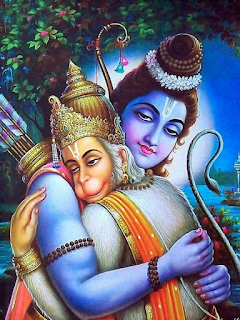
Aanjaneya, a great devotee, executed Sriraamachandra's errands with utmost veneration, regarding Him as the prime source of his sustenance; he thus earned the goodwill of Sriraamachandra and Seethamaata. Searching for the whereabouts of Seetha, he performed a herculean feat of crossing the ocean to reach Lanka; met Seetha under the ashoka tree; consoled her and passed on the message of his master to her; returned with Seetha's message and became instrumental in uniting the two. Similarly, during the war between Raama and Raavana, when Lakshmana fell unconscious the valorous Aanjaneya flew to the Himalayas to fetch Sanjeevini herb, along with the hill! This way Aanjaneya executed many formidable tasks for his Lord with a happy countenance.

 One of the poets while portraying Sri Raama has skillfully described the repercussions of our actions (karma). Though deeply impressed with Hanumaan, Sri Raama told him "You have performed very mighty tasks for my sake. Yet, do not expect anything in return from me, because the one, who desires return favours, invites calamities in reality". If we help a person, who is in distress and expect a return, then, are we not justified in getting back our services only when we are in trouble?! The gist here is that Sri Raama wished that no misery or associated difficulties should befall Hanumaan. An additional message to all is that, when a return favour is expected the doer gets bound by the action (karma-bandhana). The fruits reaped out of every one of our actions, is preordained. Some day, commensurate with our activities, the meritorious deeds fetch us auspicious fruits while bad deeds fetch us equally bad fruits. Again, some results of actions are obtained immediately, whereas some others may take a long time. Yet a few other fruits have to be reaped over several births! The impact of karmas is intricate. So, rejecting bad deeds on all accounts, we should continue to perform our actions bereft of the 'I, Mine' feelings; then the action becomes a karmayoga when it is performed without expecting any return and with a feeling of submission to the Lord. Then, without binding us, it leads us through a path to unify us with the Supreme Lord. As the Lord himself says – "All we need to do is to perform our ordained duties zestfully - karmanyevaadhikaaraste maa phaleshu kadaachana". (Your authority lies in the performance of actions alone and never on the fruit of actions).

Aanjaneya never expected anything in return but executed the jobs with zest and devotion to the Lord, through body, mind and speech. Immortality and Sri Raama's embrace were the best fruits he attained. In contrast, Raavana who worked against the righteous path set by the Lord became a target for Sri Raama's arrows, culminating in his death.

As per Srirangamahaaguru's words - "In our lifetime, whatever actions we execute must have a significance. It should guide us to our roots. Our daily activities must be such that they show us the way to the Lord". Let us all engage ourselves in pursuits adored by the Lord and become karmayogis.

Note: The Kannada version of this article can be viewed at AYVM blogs. 

Friday, May 26, 2023

The mystic symbolism of Sengol

Dr Mohan Raghavan
Respond to (lekhana@ayvm.in)


The Sengol has been all over the news ever since the announcement of its restoration to the seat of parliament; for the first time since 1947. Historically it was the symbol of authority wielded by the kings of bhārata; most famously by the Tamil kings who called it the Sengol, associated with righteousness, abundance and prosperity. The Sengol or dharma daṇḍa(in Sanskrit) is highly celebrated in Tamil1 and Sanskrit literature2 alike as the personification of dharma, upholding which was considered the greatest duty of the king; in fact, it was their raison d' etre. The word daṇḍadhara3 itself is a synonym for Yama, the lord of dharma in particular and in general to a king. The science of statecraft is often called daṇḍaniti4. However, all of this begs the question, "Why was the daṇḍa chosen to represent royal authority?". The staff is not the greatest of weapons when compared to the sword, mace, spear or bow. Royalty is indicated by the presence of several items like the catra (Umbrella) and cāmara (Whisk). However, the daṇḍa alone is a personification of royal authority. 


śrīranga mahāguru's beautiful exposition on this matter is worth recalling at this juncture. He identifies the king's dharma-daṇḍa or royal sceptre as the replica of merudaṇḍa or backbone which houses the spinal cord. The true king is said to rule over two kinds of kingdoms - the heavenly and the earthly ones5. The heavenly kingdom is the one that yogis see within themselves. The yogis dive deep within and enjoy the greatest bliss that anyone could achieve. Yoga śāstras say that this ultimate bliss is reached only when the yogi enters the sahasrāra or the crown. This state of bliss6 is followed by an experience of nectar or amṛta that pours downwards7, giving joy to every one of the senses and nourishes the physical body. It is thus that the process of Yoga gives unbounded joy within and also freshness and agility of the senses to enjoy the material world outside, albeit with a sense of calmness and balance. Thus such a prince who has learnt the secrets of yoga from his gurus and achieved the same by penance is a master of the inner heavenly kingdom and is also capable of enjoying the material world with a sense of equanimity and balance. 


Such a prince is in due course anointed as a king. His goal is to secure for his subjects, that which he has secured for himself - the two-fold happiness within and in the material. This is the dharma that he must uphold. He is anointed by the rājaguru in a ceremony which reminds him of the source of this dharma and the means to preserve it. His conquest of heavenly joys were made possible by the 'control over the senses' or damā. The dharma daṇḍa or royal sceptre presented to him is none other than a replica of the merudaṇḍa or backbone which houses the spinal cord. It is only with damā, that one ascends the suśumna within the spinal cord and enjoys the bliss of joy within the sahasrāra. The chatra over his head is the kunḍalinī that has risen up straight like a rod or daṇḍa and holds its hoods erect over the crown. The chatra also resembles an inverted lotus that showers the bliss of amṛta downwards. This downwards-shower of amṛta is represented by the abhiṣekha of the king where ceremonially purified waters from the sacred rivers are poured downwards from the crown of the head. Thus the rajyābhiṣekha in Indic tradition8 is not a transfer of power but a grand reminder of a king's role on earth. In fact it is said that a king is verily the viṣṇu on earth9, for he secures for his subjects all the joys.


Now how does the king practically achieve this? It is by creating institutional systems for the same if they do not exist. When they do exist he preserves, nourishes and upholds them. First and foremost is the protection of the system of yajña and its underlying methods of tapasya that bestows all boons. In a different age and time,  yajña could be replaced by pūja and another spiritual discipline. Thus he must ensure that the ṛshis who are the custodians of this knowledge of yogavidya (spiritual discipline) are well protected and provided for. The guru-śiṣya parampara must be well protected so that there is an unbroken transmission of the knowledge. This ensures dharma. 


Secondly, the people in their daily lives must exercise due caution so that the vices like anger, lust, greed, infatuation and others do not take over and destroy dharma. Such codes of conduct must be implemented so that all must be able to enjoy the material and the higher joys. Legendary kings like rāma and yudhiṣṭira are celebrated for their ability to uphold the dharma - in individuals, homes, societies and the country at large. They did it rigorously,  meticulously and by setting an example themselves. Bathed in the shower of amṛta within, their mind, words and deeds became gentle, soft,  pleasant,  attractive and devoid of vices.  While they were kind and empathetic,  they were also unsparing in matters of dharma, even if it were their own kith and kin. It is thus no surprise that the dharma rājya is also called 'rāma rājya' and Rama is considered an embodiment of Dharma itself.


It is quite apt that the Dharma daṇḍa or Sengol will soon be installed in its rightful place in the assemblage of those whose duty it is to deliver dharma in our Bharata.


--------------------------------------------------------------------------------------------------------------------------------

1 tirukkuṟal̤: 543: antaṇar nūṟkum aṟattiṟkum ātiyāy niṉṟatu maṉṉavaṉ kol.

2 devībhāgavata purāṇa: 1.17.3: vinā daṇḍam kathaṃ rājyaṃ karoti janakaḥ kila | dharme na vartate loko daṇḍaścenna bhavedyadi

3 śabdakalpadruma: daṇḍadharaḥ:

4 śabdakalpadruma: daṇḍanītiḥ: tat cāṇakyādi prāṇītam nīti śāstram

5 ṛgveda: 4.42.1: mama dvitā rāṣṭraṃ kṣatriyasya viśvāyorviśve amṛtā yathā naḥ

6 ṣaṭcakranirūpaṇam: 40: daśa śata dalam pūrṇacandrāti śubhram…pravilasitavapuḥ kevalānandarūpaṃ

7 ṣaṭcakranirūpaṇam: 43: sudhā dhārā sāraṃ niravadhi vimuñcannatitarām

8 A classic example of the coronation with all these features are found in vālmīki rāmāyaṇam : 6.131.60 onwards: vasiṣṭhovāmadevaścajābālirathakāśyapaḥ | kātyāyanosuyajñaścagautamovijayastathā || abhyaṣiñcannaravyāghraṃprasannenasugandhinā | salilenasahasrākṣaṃvasavovāsavaṃyathā ||

9 devībhāgavatapurāṇam: 6.10.24: nādevāṃśo dadātyannaṃ nāviṣṇuḥ pṛthivīpatiḥ